
How Locality Improvement Framework funding is helping families across Cannock Chase build healthier habits, strengthen community connections and create a legacy that will last a lifetime.
Rooted in Local Knowledge, Brought to Life through Collaboration
The Locality Improvement Framework was designed to enable local people and organisations to shape how health inequalities are tackled in their area. Support Staffordshire has played a key role in bringing the coalition together, ensuring that all partners had a seat at the table and that local voices were heard. This helped the project reflect the needs of people in Cannock Chase. Cross-partner collaboration has been central to bringing the project to life and achieving its success. By connecting teams from public health, Cannock Chase District Council, Primary Care Networks, Staffordshire County Council and community organisations, Support Staffordshire has helped the partnership combine funding, expertise, local insight and practical support around a shared goal.
After reviewing local evidence, the coalition identified food as a priority where action could address several health inequalities. Weight-management data, together with local insight into poor nutrition and its effects on childhood development, highlighted the importance of helping families establish healthier habits early. The coalition also recognised that poor diet contributes to several Core20PLUS5 health priorities, including diabetes, oral health, hypertension and mental health, as well as health during and after pregnancy. Focusing on food therefore offered a practical way to address immediate local concerns while supporting better health throughout people’s lives.
From Healthy Eating to Lasting Community Change
Improving children’s health does not begin only in a clinic. It begins in the everyday places where families live, learn, shop, cook and spend time together. That is why the coalition chose Forest Hills Primary School as the setting for a project encouraging healthier eating habits.
What started as a programme about food has grown into something much wider: children trying unfamiliar ingredients, parents gaining confidence in the kitchen, families making healthier choices and community members stepping forward to lead. Alongside these individual changes, the project has strengthened relationships between organisations and created practical resources that could benefit more families across Staffordshire.
A Project Shaped by Families
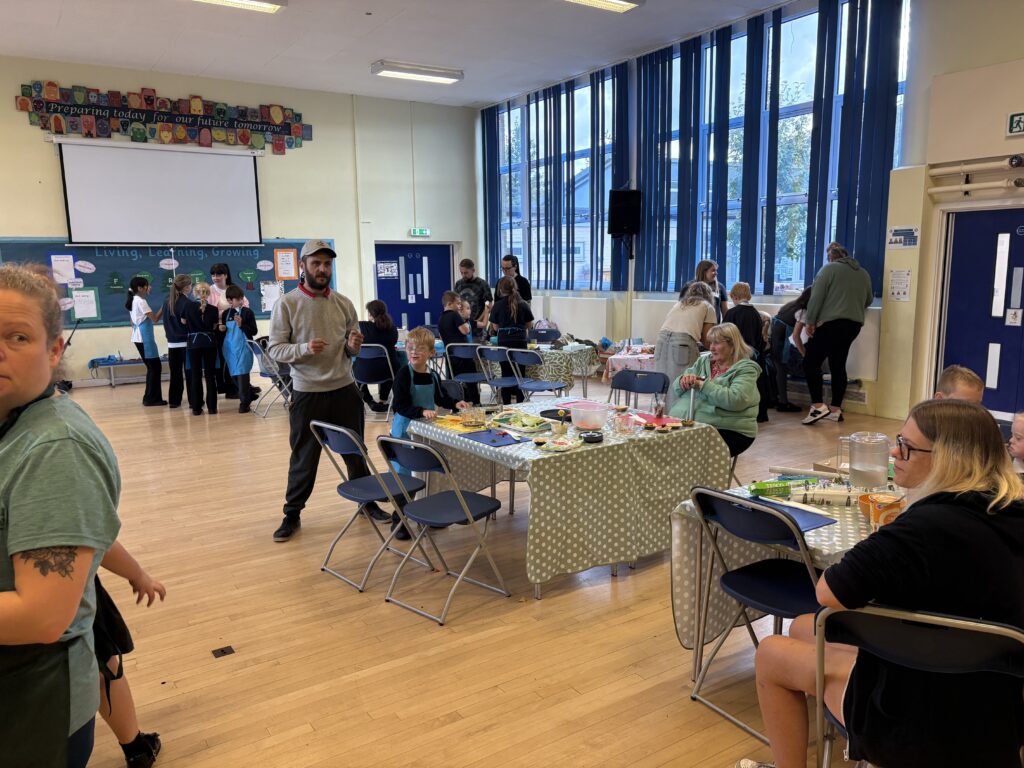
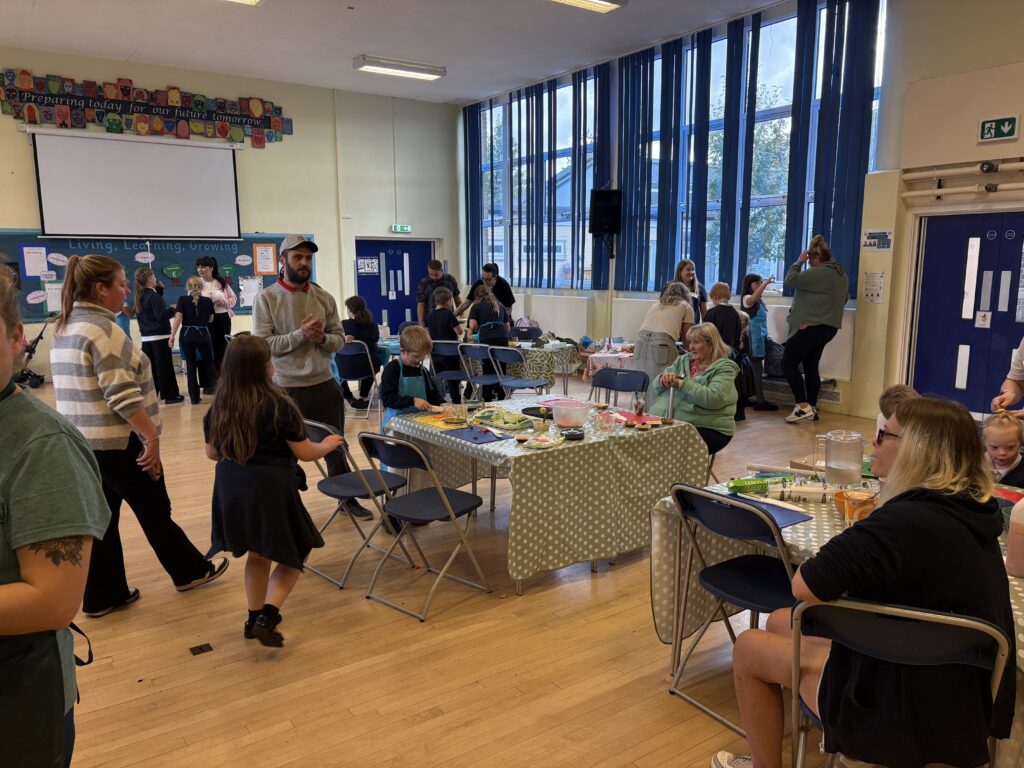
Lisa Shepherd and Louise Rose from Cannock Chase Council led the first phase of the project. Feeding Our Future was a 12-week programme based at Forest Hills Primary School in Rugeley. It combined school-based learning, targeted sessions with families and a parent-led after-school cooking club. Rather than treating families as passive recipients, the programme invited them to help shape what happened next. A core group remained committed over time, and parents helped turn their learning into a club that welcomed more children. “Overall, I’d say it’s been a really, really meaningful project,” Lisa says. “We’ve really developed strong relationships with the parents, with the kids.”
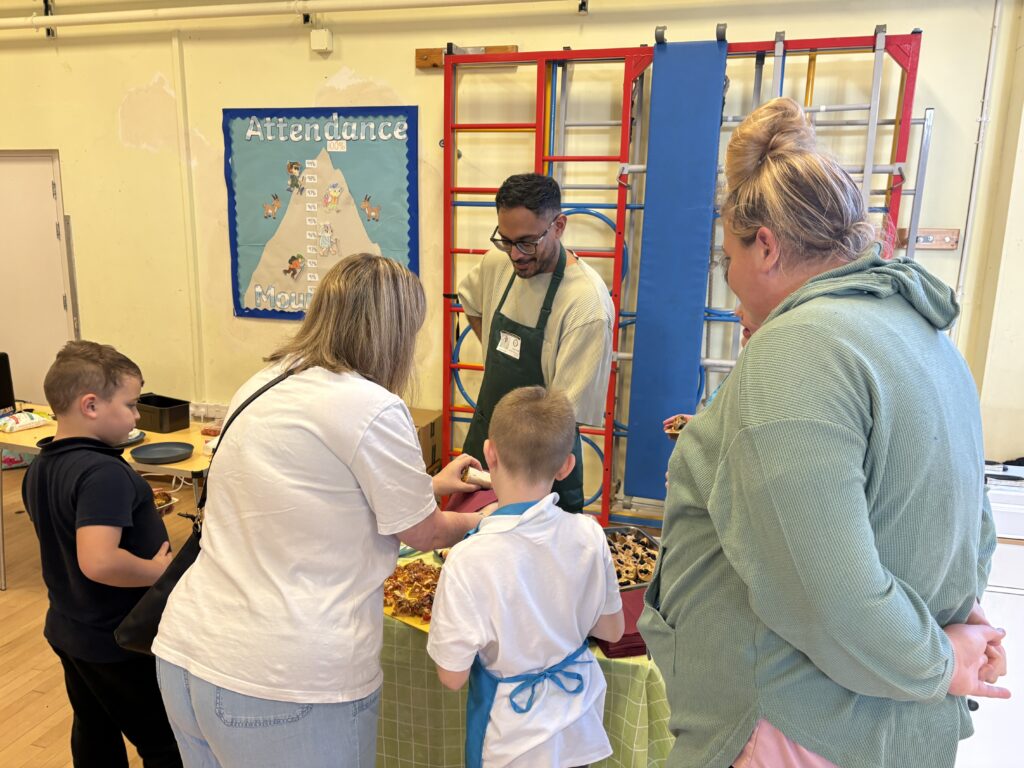
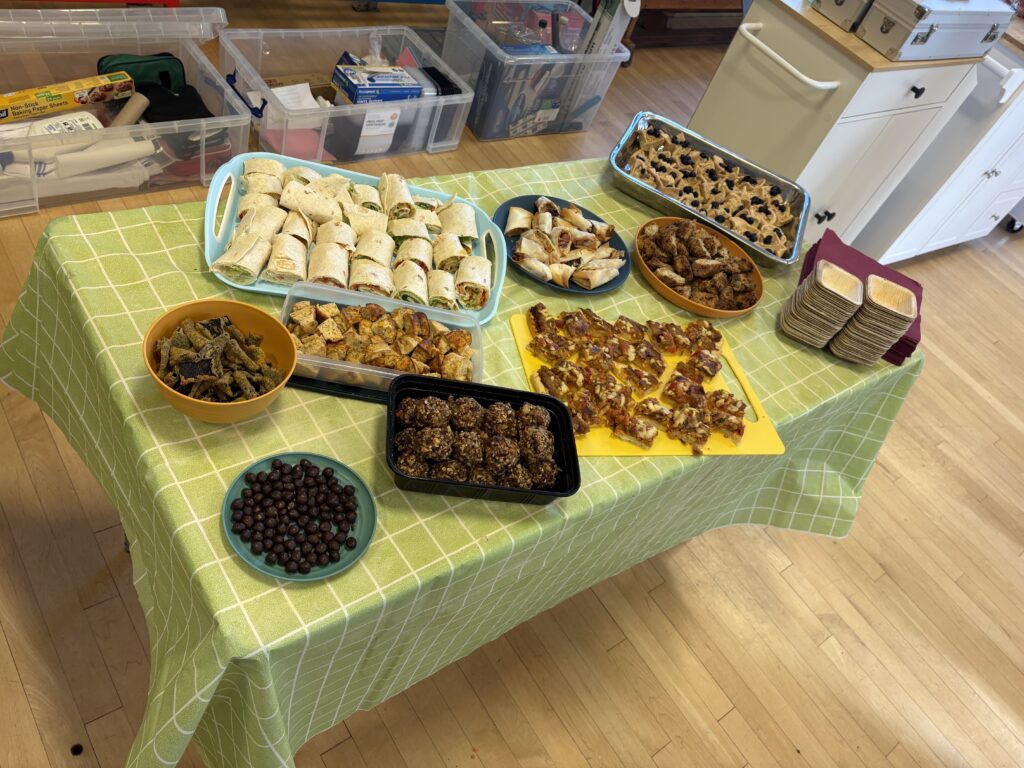
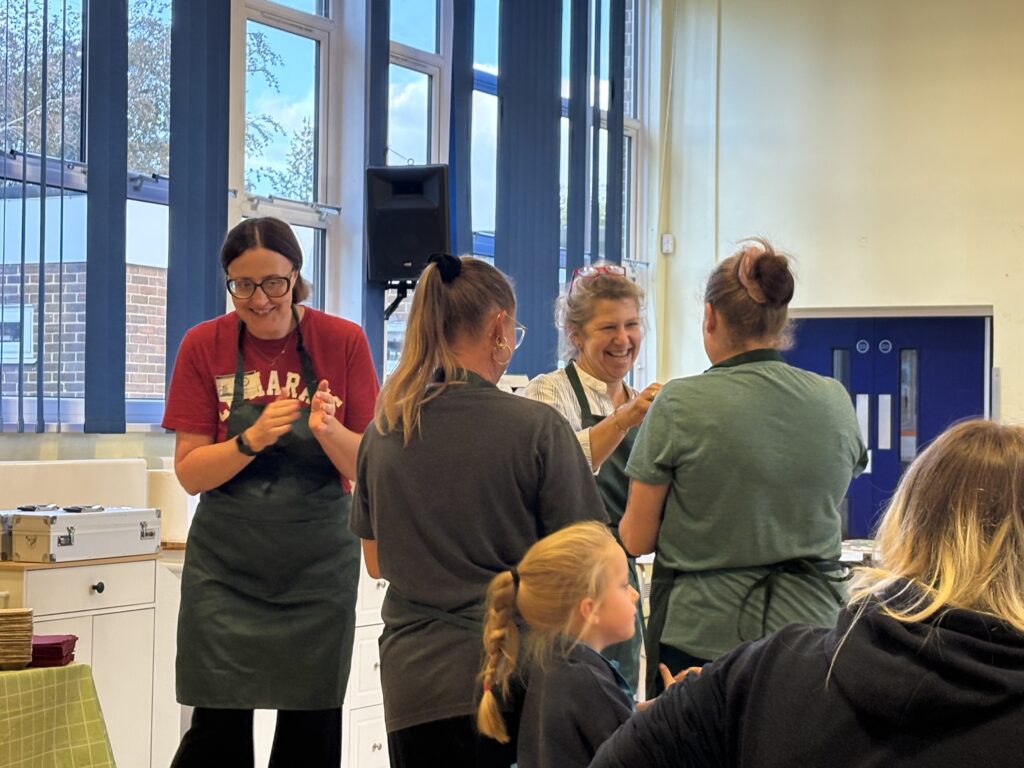
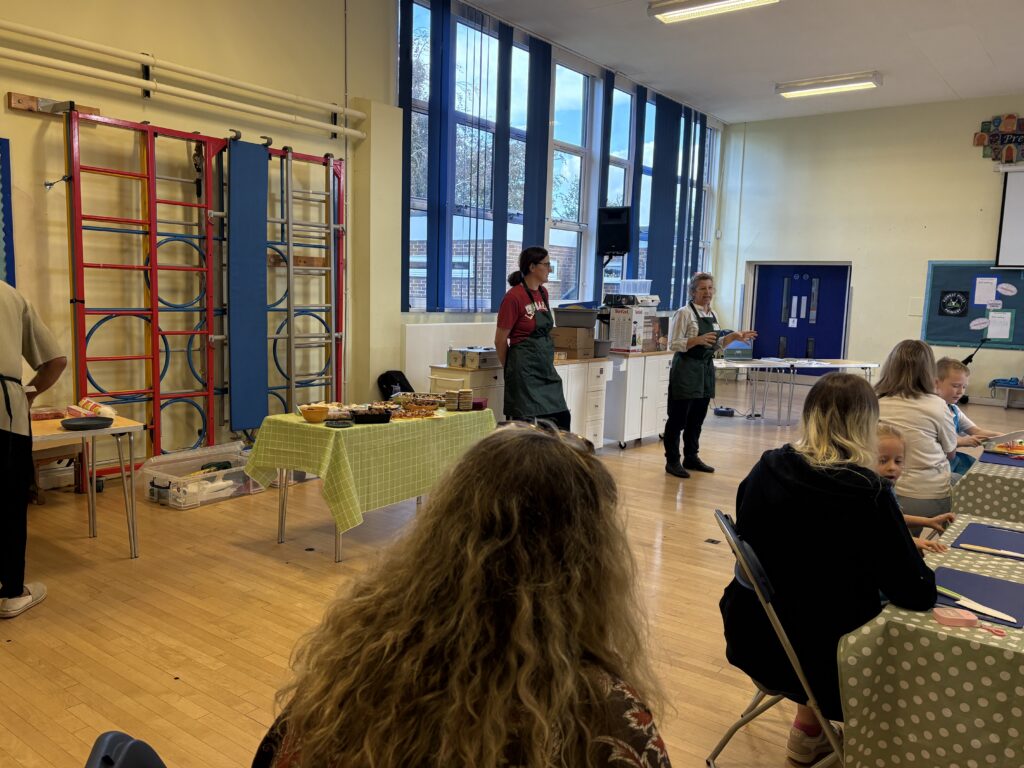
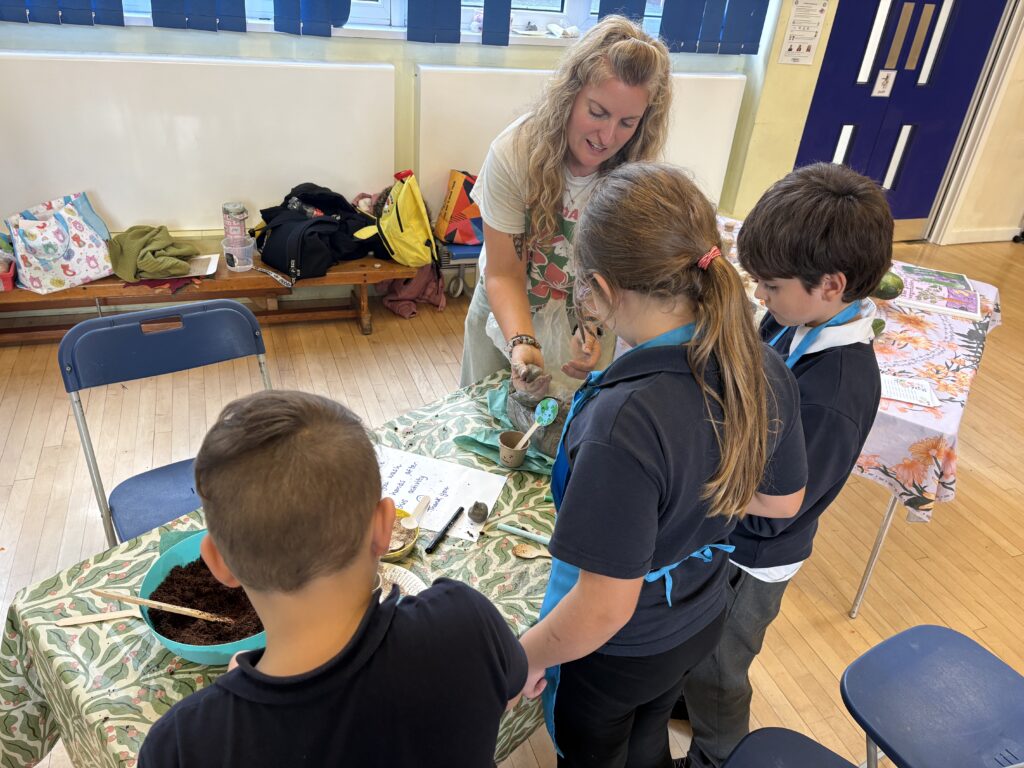
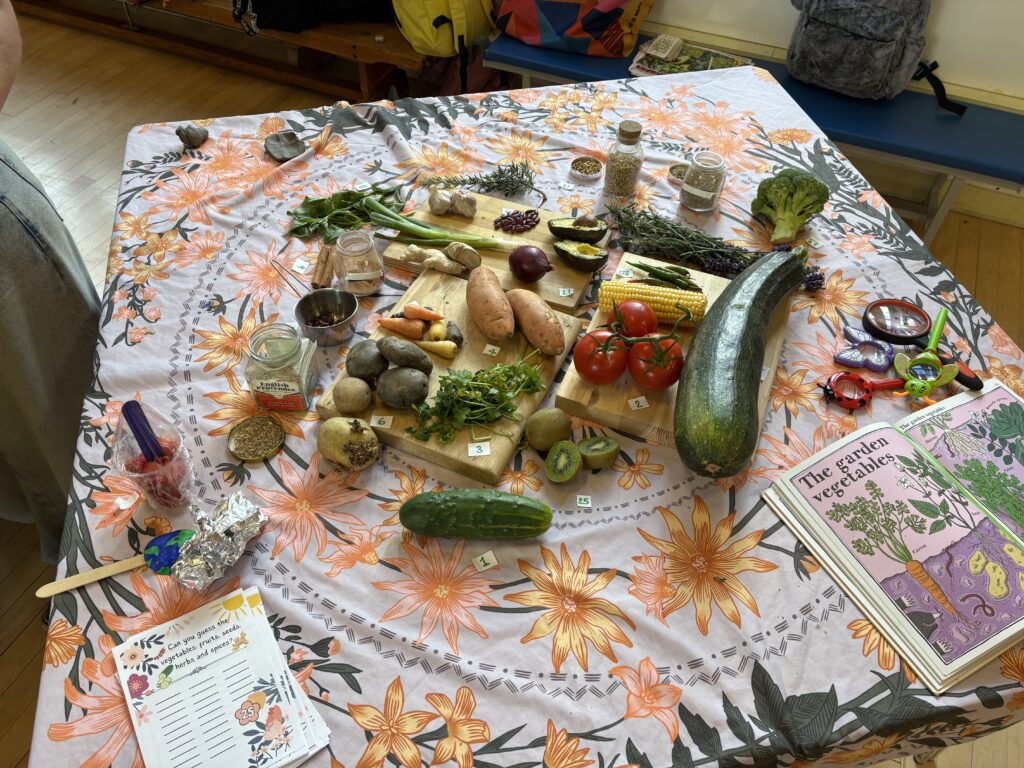
This approach mattered. Families were able to build trust, learn at a comfortable pace and see their ideas become real activities. The after-school club became a place where cooking was practical, social and enjoyable. Children prepared foods including wraps, crumble, spring rolls and vegetable-filled chicken nuggets, while creative activities helped them explore fruit, vegetables and healthy choices in different ways. Holly Peck, who was commissioned to lead the creative side of the programme, described the activities used to spark the children’s interest: “We’ve had a good lot of fun with them. We went outside, we chalked on all the playgrounds, we were hunting for healthy foods, and we did a journey to like the supermarket compared to the nearest fast food outlet and looked at how many steps it was etc, in order to compare the health benefits. The children loved it and learned a lot.” This holistic approach to food education has created meaningful engagement and helped children apply their learning to other aspects of life.
Small Choices, Meaningful Change
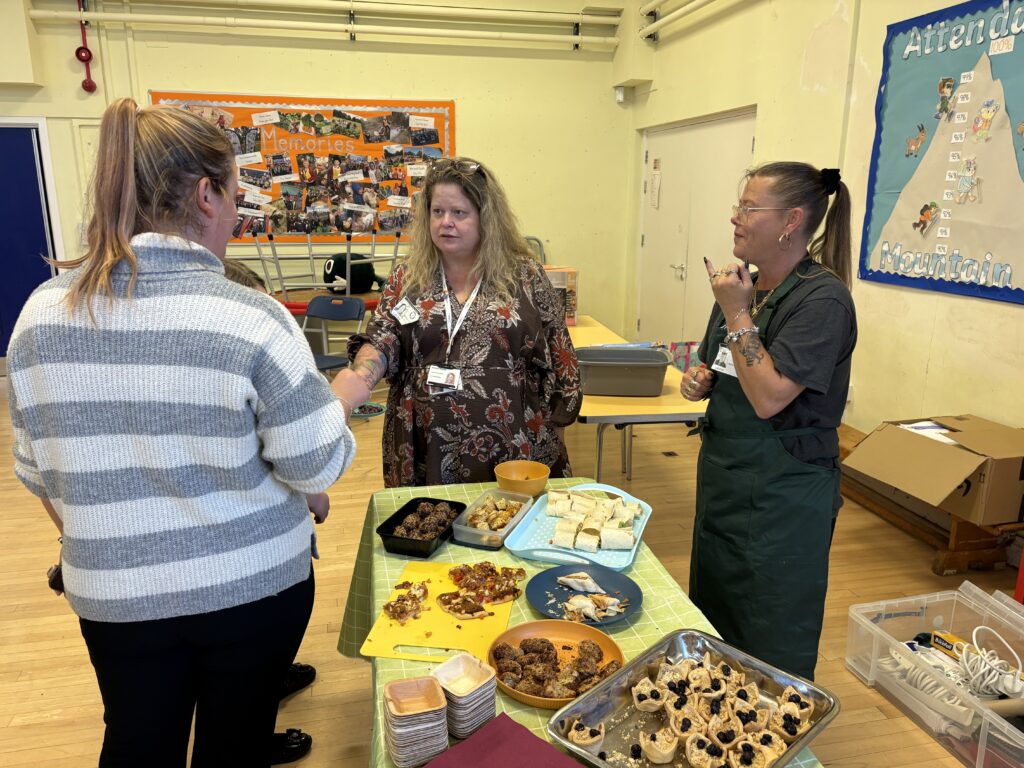
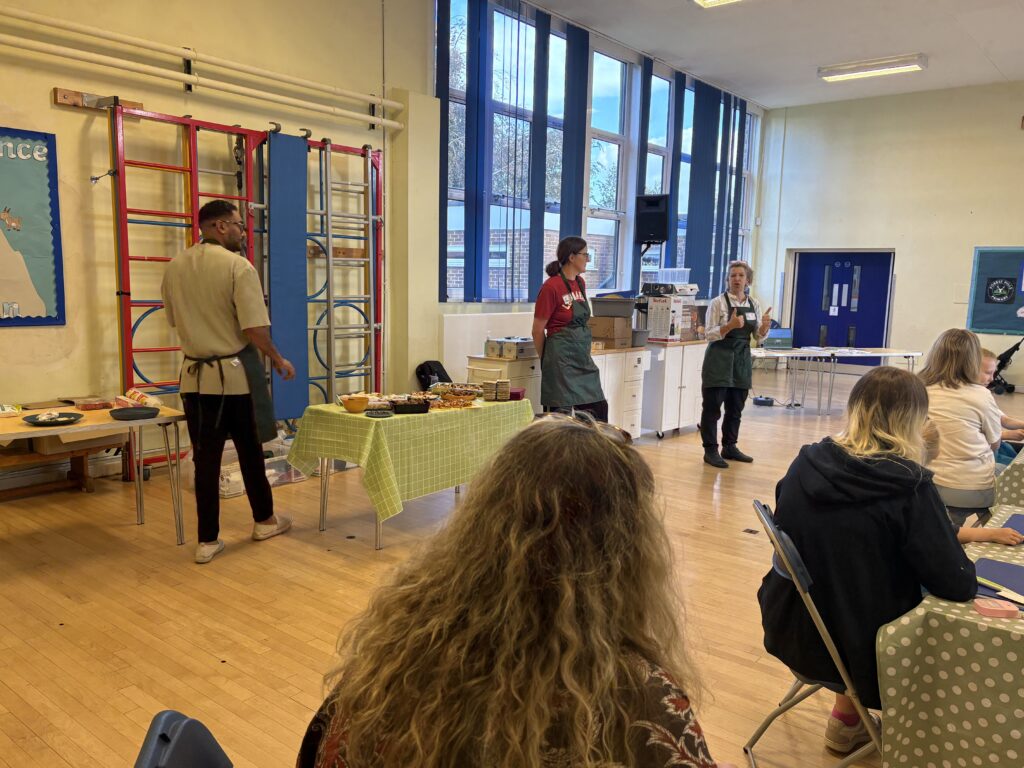
At the celebration event, families shared the food they had made and reflected on their journey. The atmosphere captured an important part of the project’s success: healthy eating had become something children and adults could discover together, rather than a set of instructions imposed from outside.
The clearest evidence of impact can be heard in the experiences of families. Parents described children becoming more willing to try new foods, taking a greater interest in cooking and asking for different vegetables while shopping. Foods that had once been rejected became things to explore.
One parent explained that her daughter, who previously would not have looked at a courgette or onion, had begun spotting different varieties while shopping and asking to try them. “She’s asking me to buy different vegetables now. Whereas six months ago, she wouldn’t even look at a courgette or know there were different types of onions, but she spotted some pink onions the other day and asked to try them. It was great because we’re exploring and trying them together.” Other parents said their children were eating vegetables more readily and joining in with cooking at home. A child described enjoying “trying new things that I haven’t tried before and making things.”
However, it is not only the children who have discovered a love of cooking and healthy eating. Parent volunteers explained how the project has affected them personally. One said: “I never used to love cooking, but now I’m baking myself cakes and creating meals from scratch at home. I feel so much more confident I can make tasty healthy meals now.” These changes may appear simple, but they are important foundations for better long-term health. Confidence around food, curiosity about ingredients and the ability to prepare meals can influence habits far beyond the lifetime of a single project. When children feel involved rather than pressured, healthier choices can become positive experiences shared with their families.
From Participation to Community Leadership
One of the project’s strongest outcomes has been the growth of community ownership. Parents did not simply attend; they helped lead. Their involvement demonstrated that local people already hold knowledge, energy and ideas that can sustain positive change when they are trusted and supported.
Sarah Powell, Headteacher at Forest Hills, describes the impact the project has had across the school community: “The project has had a really positive impact across our school community. It has encouraged children to try new foods and develop practical cooking skills, brought families together, and inspired parents to become more involved. The cooking club and planned cookbook will help us build on that success and extend the benefits to even more families.”
The parent-led club has also created a pathway for the work to continue. Discussions have explored food hygiene training, volunteer support, future funding and help with food provision. These practical steps could enable families to sustain the club beyond the initial funded period and allow more children to benefit.
That shift—from taking part to taking responsibility—is central to lasting impact. It builds local confidence and leadership, reduces reliance on short-term interventions and gives the community a stronger voice in decisions affecting its health.
Barriers and Learning for Future Projects
The project has generated important learning about the practical and systemic barriers that can limit participation and delivery. These included restricted access to school kitchens; insufficient food preparation and storage facilities; external catering arrangements; gaps in practical curriculum resources; and the limitations of standard evaluation tools for some participants. In response, partners adapted delivery and evaluation methods, listened closely to families and school staff, and developed more accessible resources that could be used beyond face-to-face sessions. Future projects can build on this learning by involving communities at the design stage, assessing facilities and delivery constraints early, using flexible approaches to measuring impact and planning for sustainability from the outset. This will help ensure that future investment is targeted effectively and that projects are realistic, inclusive and capable of creating lasting change.
Investing in a Lasting Legacy
The LIF funding throughout the project has proved pivotal to its success and lasting impact. As well as commissioning Holly Peck and Jenny Moore to lead creative and therapeutic activities, the project commissioned Dr Sunni Patel from Dish, Dash, Deets to lead all the cooking sessions. The combination of expertise and a genuine passion for healthy eating and family wellbeing generated enthusiasm among the children and parents involved. The practitioners have inspired a love of trying new foods and recipes while providing knowledge that can shape families’ choices in the future.
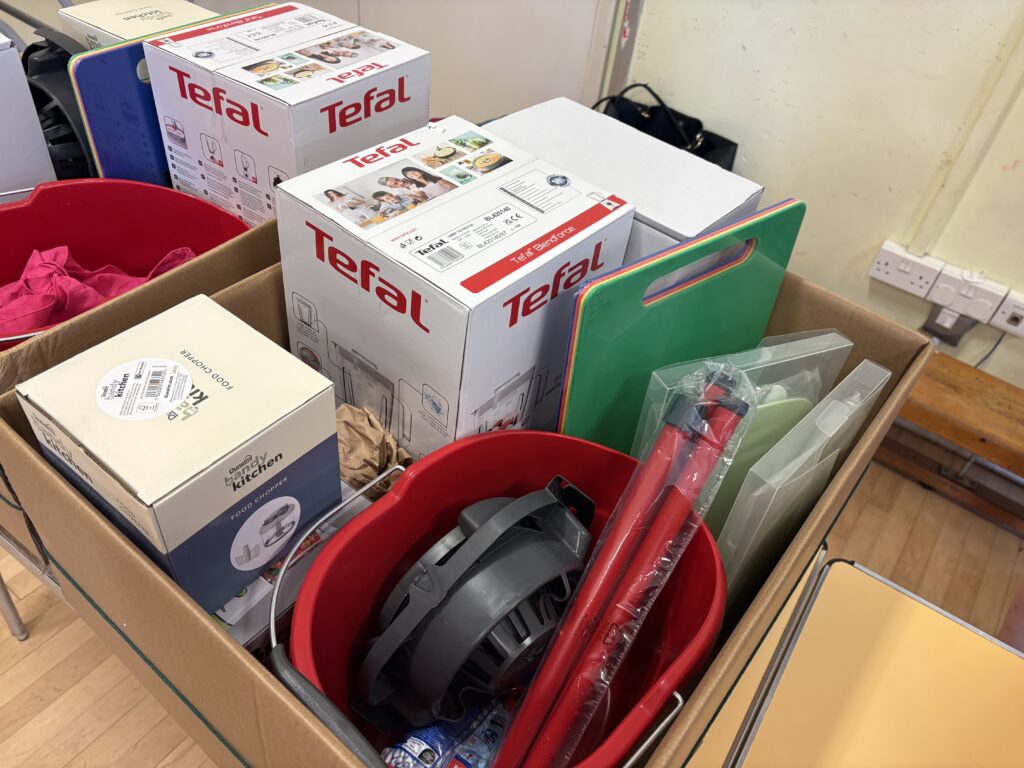
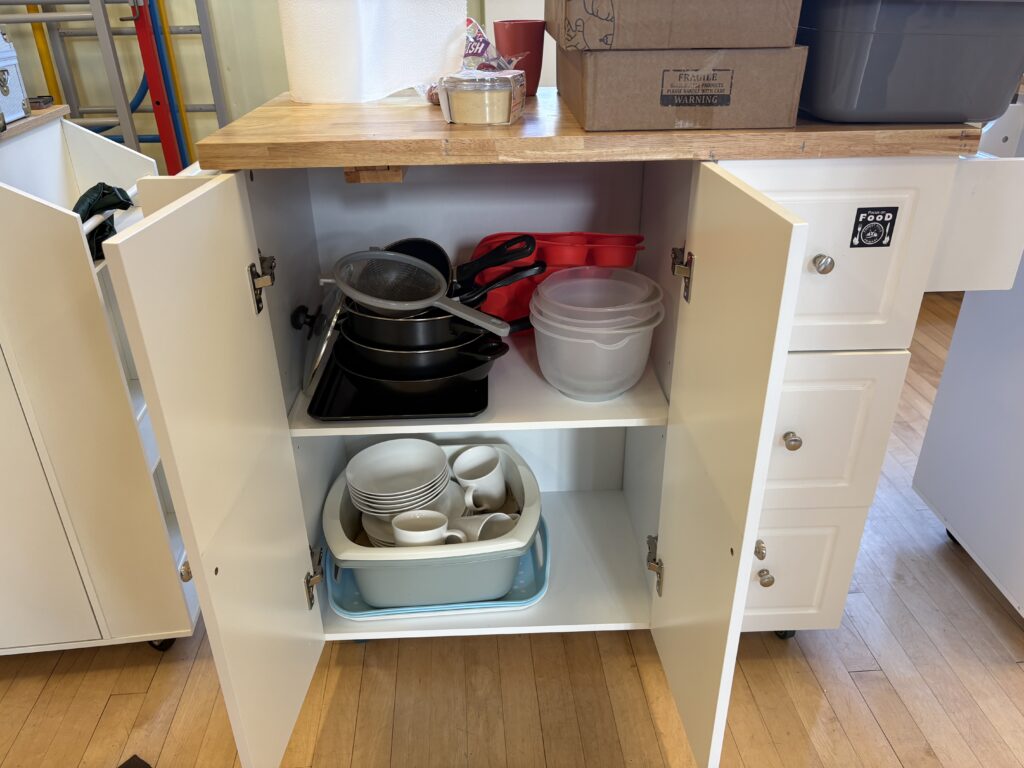
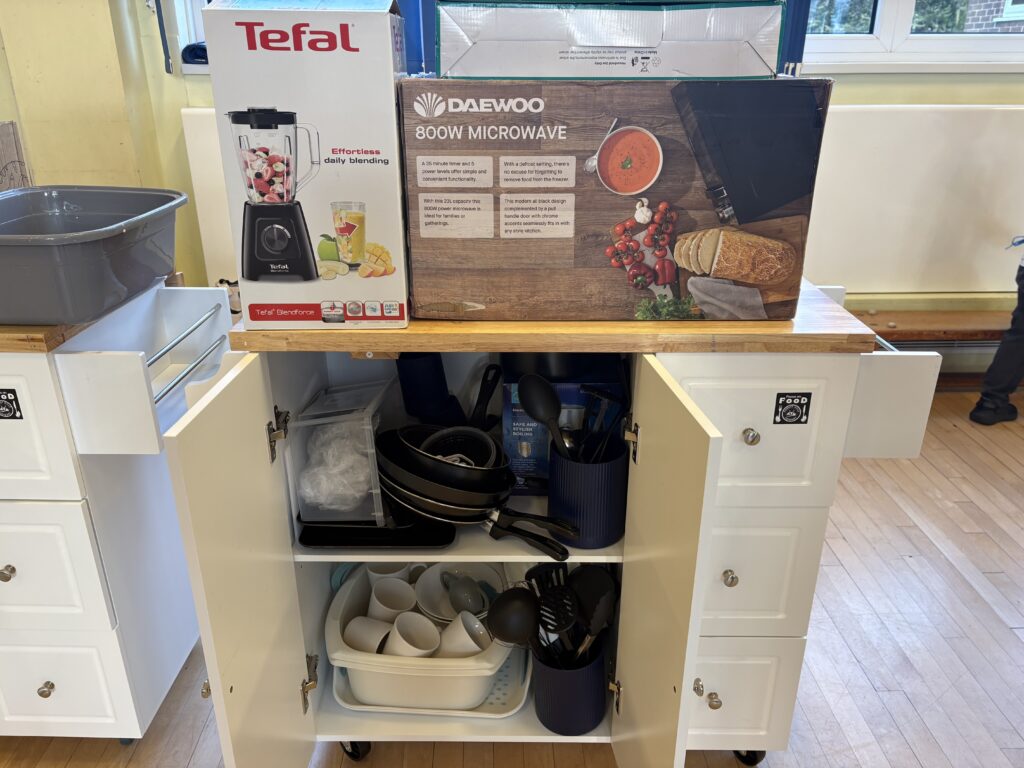
Funding has also provided essential cooking equipment so that the school’s healthy eating initiative and cooking club can continue after the project ends. One barrier had been limited access to the school kitchen, appliances and utensils. Forest Hills has now received a range of equipment, including blenders, microwaves, kettles, food choppers, weighing scales, pots, pans, chopping boards, knives, utensils and crockery for serving food. This means that the parents who have volunteered to continue the club have the resources they need to give more children and families access to the sessions. Families have also received kits for their homes, helping them sustain the changes they have already made beyond the project. This investment ensures that the initiative is not a flash in the pan: its practical legacy can benefit the school community for years to come.
Partnerships That Make Change Possible
The Forest Hills project also shows the value of bringing the right people together. Through the Localities in Focus model, schools, public health colleagues, dental professionals, local services, voluntary and community organisations and families have been able to share knowledge and connect their work.
This collaboration has opened doors beyond the original healthy eating programme. Partners identified gaps in oral health information, explored links with other support and funding, and considered how the learning could influence future work with schools and families. New resources—including cooking films, healthy eating materials, family learning tools and oral health guidance—are being developed with the potential to reach other communities.
Support Staffordshire has played an enabling role through programme coordination, grant management and support for the coalition’s infrastructure. Just as importantly, it has helped connect the work with wider networks, funding opportunities and voluntary and community sector partners. This is the often less visible work that enables local ideas to develop into coordinated, sustainable action.
The value of the partnership lies not only in what each organisation delivered, but also in the connections between them: shared insight, faster problem-solving and a clearer route from what families say they need to the decisions, resources and relationships that can respond.
A Legacy Beyond the School Gates
The project’s legacy is already taking shape. Children are more curious about food, parents have greater confidence and are helping to lead activities, and the school has practical learning on which to build. Partners also have a better understanding of the barriers that can prevent healthy eating initiatives from succeeding.
There is also potential for the impact to travel further. Tutorial films and resource packs can support families who may not attend face-to-face sessions. The team is developing a cookbook for families in this and other communities, helping them create healthy, cost-effective meals that are simple and accessible to the whole family. Oral health resources can connect learning in schools with support at home. Lessons from Forest Hills can inform work in other schools and districts, while continued partnership working can link families to wider opportunities.
In addition, Lisa and Louise have connected with Sarah Atkins from the Family Improvement Board and Declan Kenny from Staffordshire County Council to explore possible future links with the Early Years Curriculum. Both have expressed an interest in investigating whether healthier eating habits and education can help children achieve a ‘Good Level of Development’ at the end of Reception and meet their expected Early Years Goals. This could lead to further expansion, bringing projects like this into schools at an earlier stage and helping pupils reach their full potential. It also highlights how the project’s holistic approach can connect the stakeholders involved in supporting children’s wellbeing outcomes.
Most importantly, the project has demonstrated that improving health outcomes is not simply about telling people what is healthy. It is about listening, building trust and creating the conditions in which children and families can try, learn and lead together.
As Sunni explains: “Projects like this create a lasting legacy by bringing prevention into the heart of the community. They show how early, practical support can improve health now, while shaping healthier families and communities for the future.” Reflecting on the current healthcare system and the opportunity to do more, he adds: “Too often, our health system operates as a sick-care system, responding only when people become unwell. Projects like this help us shift towards prevention in the heart of our communities, giving clinicians like me the insight to shape future health initiatives that create lasting change.”
The Cannock Chase LIF project shows what is possible when local knowledge, trusted partnerships and practical support come together. What began with food has grown into greater confidence, stronger connections and community-led action—creating healthier habits today and a lasting legacy for generations to come.
Find Out More
Locality Improvement Framework (LIF) funding helps community groups, charities and social enterprises across the county run projects that improve local health and wellbeing.
To find out more about current funding opportunities, visit our website or get in touch with the Support Staffordshire team.